
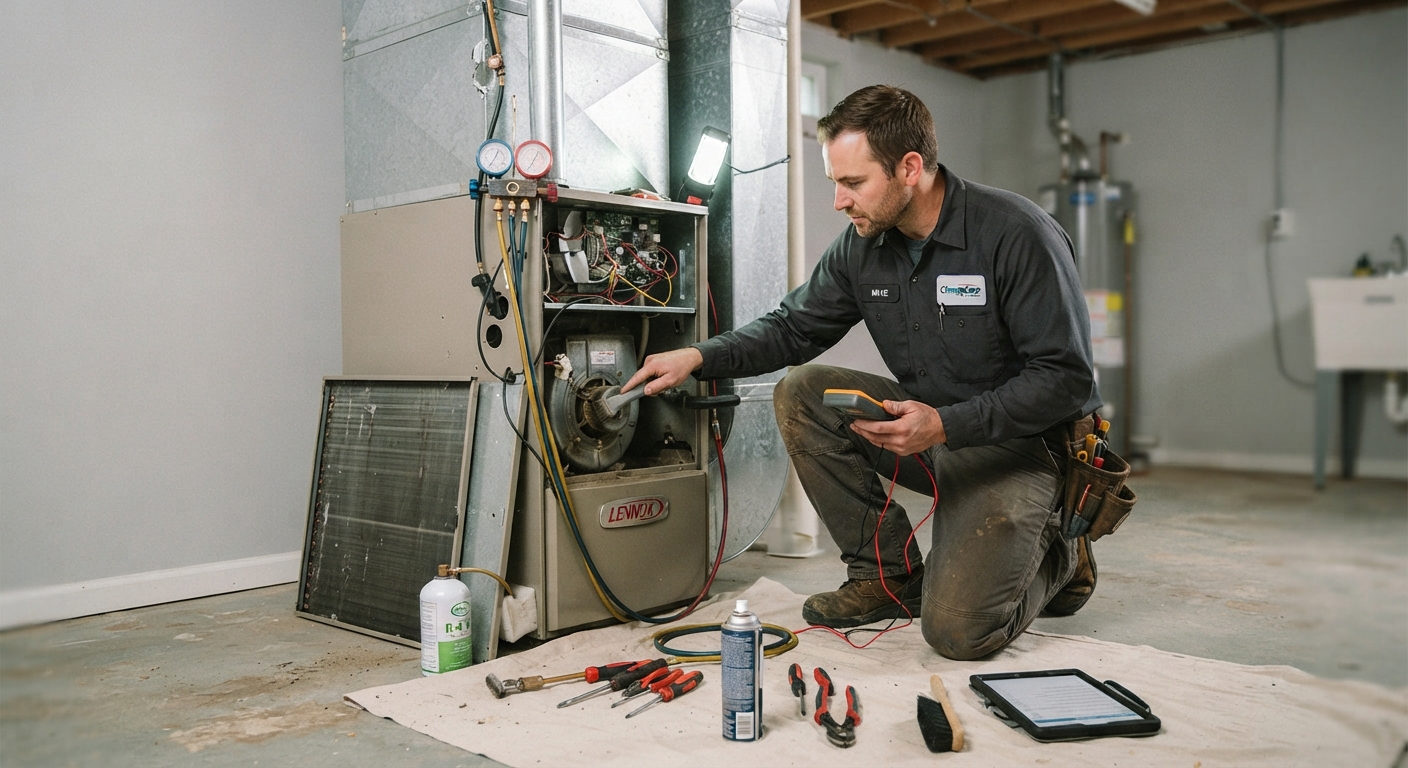
Regular HVAC maintenance helps homeowners keep their heating and cooling systems operating reliably throughout the year. A well-maintained system can provide more consistent comfort, support proper airflow, and help identify small problems before they develop into expensive repairs.
Your heating, ventilation, and air conditioning (HVAC) system works throughout the year, often under changing weather conditions. Dust buildup, clogged filters, blocked vents, and neglected equipment can affect its performance over time.
The good news is that homeowners can handle several basic maintenance tasks without specialized tools. Other tasks, including electrical repairs and refrigerant work, should be performed by qualified professionals.
This HVAC maintenance checklist explains what to inspect, when to perform routine tasks, and when to schedule professional service.
Why Is Regular HVAC Maintenance Important?
Your HVAC system includes equipment, air filters, ductwork, thermostats, and other components that work together to heat or cool your home.
When these components are neglected, the system may experience restricted airflow, inconsistent temperatures, unusual noises, or reduced performance.
Regular maintenance can help you:
- Identify dirty filters and blocked vents.
- Maintain proper airflow throughout the home.
- Notice leaks, unusual sounds, or visible damage early.
- Keep outdoor HVAC equipment clear of debris.
- Recognize when professional repairs may be necessary.
- Prepare the system for periods of heavy heating or cooling demand.
Maintenance does not guarantee that equipment will never fail. However, following the manufacturer’s recommendations and addressing problems promptly can help you care for your system more effectively.
Monthly HVAC Maintenance Checklist
These basic checks are useful throughout the year. Some tasks may need to be performed more frequently depending on your home, equipment, and local conditions.
1. Check Your HVAC Air Filter
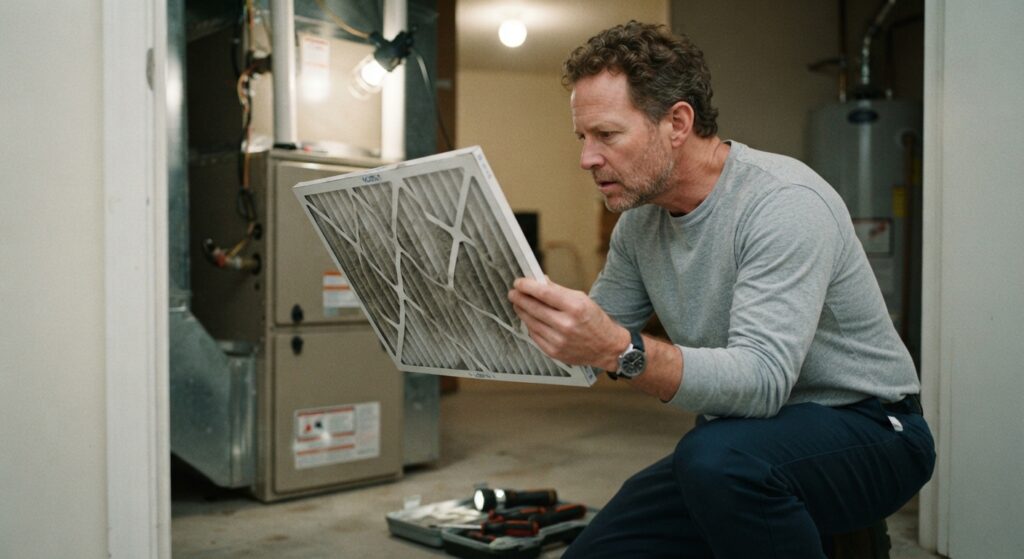
The air filter is one of the most important items on your maintenance checklist. It captures airborne particles and helps prevent excessive dust from entering parts of the HVAC system.
As the filter collects debris, airflow may become restricted.
Check your filter regularly and look for:
- Heavy dust buildup.
- Visible discoloration or accumulated debris.
- Reduced airflow that may be associated with a dirty filter.
- A filter that has become damaged or incorrectly positioned.
Replace the filter when necessary, following the manufacturer’s instructions.
The correct replacement interval depends on the filter type, thickness, household conditions, pets, and how frequently the system operates. Some filters need replacement more often than others, so do not assume that every home requires the same schedule.
Always use the correct filter size and a type compatible with your equipment.
2. Keep Supply Vents and Return Grilles Clear
Your HVAC system needs a clear path for air to move into and out of the equipment.
Furniture, curtains, rugs, and storage items can obstruct supply registers or return-air grilles.
Walk through your home and check that:
- Furniture is not covering vents.
- Curtains are not blocking airflow.
- Floor registers are free from rugs and objects.
- Return grilles are unobstructed.
- Removable vent covers are reasonably clean.
You can clean accessible vent covers using a suitable cloth or vacuum attachment. Avoid reaching deep into ductwork or dismantling components.
Do not close multiple vents in an attempt to force more air into other rooms unless your system has been designed for that arrangement.
3. Listen for Unusual Sounds
Pay attention to how your HVAC system normally sounds during startup and operation.
Unusual banging, persistent rattling, grinding, buzzing, or whistling may indicate a problem that deserves investigation.
Possible causes include loose panels, obstructed airflow, damaged components, or mechanical faults. The sound alone is not enough to determine the exact cause.
If you notice a new or persistent noise, record when it occurs and contact an HVAC professional if necessary.
Turn the equipment off if you suspect an electrical hazard, smell burning, or notice another potentially dangerous condition.
4. Check Your Thermostat Settings
A correctly configured thermostat helps maintain your preferred indoor temperature and allows the HVAC system to operate as intended.
Check that:
- The thermostat is set to the correct heating or cooling mode.
- The temperature setting is appropriate.
- The fan setting matches your preference.
- The display is working properly.
- Programmable schedules reflect your routine.
If your thermostat uses replaceable batteries, follow the manufacturer’s instructions for checking and replacing them.
If the thermostat displays an error or the system does not respond as expected, consult the equipment manual before attempting further troubleshooting.
Seasonal HVAC Maintenance Checklist
Monthly checks help you monitor everyday conditions, but your system also benefits from preparation before periods of heavy heating or cooling.
Spring HVAC Maintenance Checklist
Spring is a useful time to prepare your air conditioning system for warmer weather.
Before regular cooling use increases, consider these tasks:
- Replace the air filter if needed.
- Remove leaves and debris from around the outdoor unit.
- Check that supply vents and return grilles are clear.
- Look for visible damage around accessible equipment.
- Check whether the thermostat is set correctly.
- Arrange professional maintenance if the system has not been inspected according to its service recommendations.
Outdoor condenser units need adequate clearance for airflow. Follow the manufacturer’s instructions for the required space around your particular model.
Do not open electrical compartments or attempt to clean delicate internal components yourself.
If the air conditioner makes unusual noises, leaks, or fails to cool properly, have the problem diagnosed before the hottest weather arrives.
Summer HVAC Maintenance Checklist
During hot weather, air conditioning systems may run for long periods. Regular observation can help you notice performance changes.
Use this checklist:
- Check the filter more frequently during heavy use.
- Keep outdoor equipment clear of leaves and other debris.
- Make sure indoor vents remain unobstructed.
- Pay attention to changes in cooling performance.
- Watch for unusual ice buildup or water leaks.
- Keep track of recurring noises or unexpected shutdowns.
Do not remove protective panels from the outdoor unit or spray water into electrical compartments.
If you notice ice on refrigerant lines or accessible coil surfaces, stop using the cooling function and seek professional guidance. A frozen system may have an airflow problem or another underlying fault.
Fall HVAC Maintenance Checklist
Fall is a good time to prepare your heating system for colder weather.
Before regular heating use begins:
- Inspect the air filter and replace it when necessary.
- Clear dust and objects from accessible vents.
- Check the thermostat’s heating settings.
- Look for visible damage around accessible equipment.
- Arrange professional service if recommended by the manufacturer.
- Check that smoke and carbon monoxide alarms are working according to their instructions.
If your home uses a gas furnace or another fuel-burning heating appliance, proper combustion and venting are important safety concerns.
Do not attempt to adjust gas valves, burners, or combustion components yourself. Have suspected problems inspected by a qualified professional.
Winter HVAC Maintenance Checklist
Cold weather can place additional demands on heating equipment.
During winter, homeowners should:
- Keep return-air grilles clear.
- Check filters regularly.
- Watch for unexpected changes in indoor temperature.
- Keep outdoor heat pump equipment clear of obstructions.
- Pay attention to unusual heating-system noises.
- Check smoke and carbon monoxide alarms as directed.
Heat pumps may develop a temporary layer of frost during normal operation, and many have a defrost cycle. However, persistent heavy ice buildup or a unit that cannot maintain indoor comfort may indicate a problem.
Do not chip ice off equipment or use sharp tools. Consult the manufacturer’s guidance or contact an HVAC professional.
Outdoor HVAC Unit Maintenance
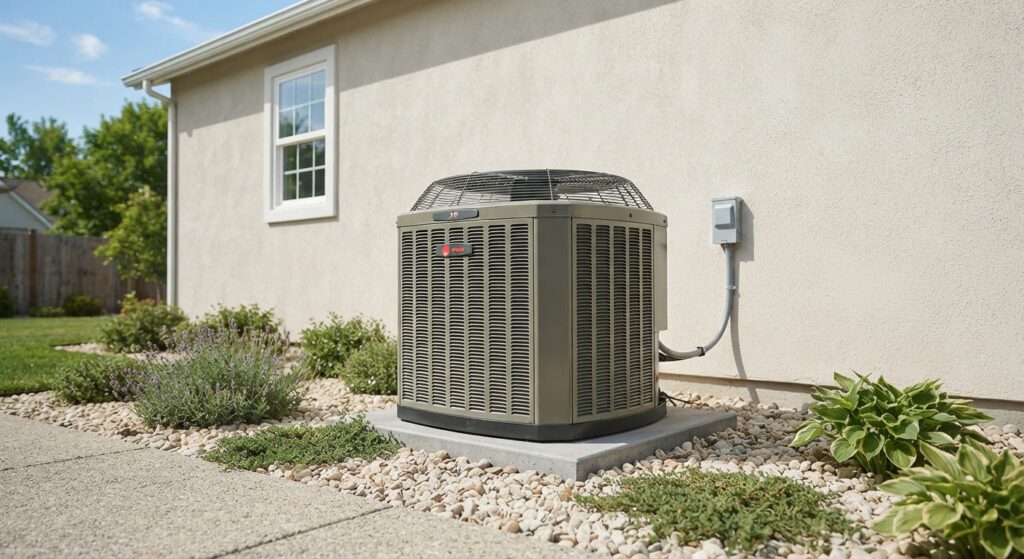
Outdoor air conditioning condensers and heat pump units need sufficient airflow to operate correctly.
Leaves, grass clippings, dirt, and other debris can accumulate around the equipment.
Homeowners can perform a basic visual inspection by checking that:
- Leaves and loose debris are not piled around the unit.
- Plants have not grown too close to the equipment.
- The unit is not visibly damaged.
- Nothing is blocking its air intake or discharge.
- Water is not collecting in an unusual location around the equipment.
Follow the manufacturer’s clearance requirements when trimming vegetation.
If you clean loose debris from the surrounding area, avoid bending fins or opening the equipment cabinet. Delicate fins can be damaged easily, and internal electrical components may present hazards.
For persistent dirt, damaged fins, unusual noises, or suspected mechanical problems, arrange professional service.
HVAC Ductwork Maintenance Checklist
Your ductwork distributes conditioned air throughout the home. Damaged or leaking ducts may reduce the amount of air reaching certain rooms.
During routine home maintenance, look for visible issues in safely accessible areas.
Check for Visible Duct Damage
Look for disconnected sections, crushed flexible ducts, damaged insulation, or obvious gaps around accessible joints.
These problems may affect airflow and energy performance, depending on their location and severity.
Do not enter unsafe attics, crawl spaces, or confined areas to inspect ducts. A qualified professional can inspect inaccessible sections and recommend appropriate repairs.
Keep Registers Clean
Dust may collect on supply registers and return grilles. Clean accessible covers when needed and make sure they are not blocked.
Dust on a vent cover does not automatically mean that the entire duct system requires professional cleaning.
Investigate Persistent Airflow Problems
If one room consistently receives much less air than others, possible causes include a blocked register, a leaking duct branch, a damper problem, or an equipment issue.
If several rooms have weak airflow, the cause may involve the filter, blower, return-air pathway, or another part of the system.
Start with simple checks, then arrange a professional assessment if the problem continues.
Which HVAC Maintenance Tasks Require a Professional?
Some maintenance tasks require specialized equipment, technical knowledge, or safety precautions.
Contact a qualified HVAC professional for work such as:
- Electrical diagnosis and component replacement.
- Refrigerant leak detection and refrigerant servicing.
- Internal blower or evaporator coil repairs.
- Furnace combustion and gas-system inspections.
- Diagnosing repeated system shutdowns.
- Testing and repairing significant duct leakage.
- Investigating persistent ice buildup.
- Assessing suspected mold or significant contamination inside HVAC components.
The exact maintenance requirements vary by equipment type. Consult your manufacturer’s documentation and service recommendations.
Do not attempt to repair energized electrical components or handle refrigerants without the appropriate qualifications and equipment.
Common HVAC Maintenance Mistakes to Avoid
Even well-intentioned maintenance can cause problems when performed incorrectly.
Using the Wrong Air Filter
A filter that does not fit properly can allow air to bypass it. A filter that creates excessive resistance may also affect system performance.
Always verify the required dimensions and compatibility before buying a replacement.
Ignoring Small Problems
A new noise, recurring odor, or repeated airflow issue may indicate a problem that needs attention.
Ignoring these changes can delay diagnosis and may allow the underlying fault to worsen.
Blocking Vents to Change Room Temperatures
Closing several registers may alter airflow and system pressure. This is not a reliable substitute for diagnosing uneven temperatures.
If some rooms are consistently uncomfortable, investigate ductwork, system balancing, insulation, and other possible causes.
Assuming Air Duct Cleaning Is Always Necessary
Routine air duct cleaning is not required for every home. The U.S. Environmental Protection Agency recommends considering it when specific conditions justify cleaning, rather than following an automatic schedule for all systems.
For example, substantial visible mold in appropriate parts of the system, pest infestation, or excessive debris being released from vents may warrant further evaluation.
Attempting Repairs Without Proper Training
Opening electrical compartments, servicing refrigerant systems, or adjusting fuel-burning equipment can create serious safety risks.
Limit DIY maintenance to tasks permitted by the manufacturer and seek professional assistance for technical repairs.
How Often Should HVAC Maintenance Be Performed?
There is no single schedule that applies to every HVAC system. Maintenance frequency depends on the equipment, filter type, household conditions, climate, and manufacturer’s recommendations.
A practical starting point is to use the following routine as a guide, then adjust it to your specific system.
| Task | Suggested timing |
| Check the air filter | Monthly or as recommended |
| Replace the air filter | According to filter and equipment instructions |
| Clear vents and return grilles | Monthly and whenever obstructed |
| Inspect outdoor unit surroundings | Seasonally and after heavy debris buildup |
| Check thermostat settings | Seasonally and when comfort changes |
| Inspect accessible ductwork | During routine home maintenance |
| Professional HVAC service | According to manufacturer recommendations and system needs |
| Test safety alarms | According to alarm manufacturer instructions |
This is a general checklist, not a substitute for the maintenance schedule supplied with your equipment.
Frequently Asked Questions
Can I perform HVAC maintenance myself?
Yes. Homeowners can usually check filters, clear blocked vents, inspect accessible areas for visible damage, and review thermostat settings. Electrical repairs, refrigerant servicing, and internal equipment repairs should be left to qualified professionals.
Does HVAC maintenance help reduce energy use?
Proper maintenance can help the system operate as intended. For example, replacing a heavily clogged filter may restore airflow, while correcting certain equipment problems may improve performance. Actual energy savings depend on the condition of the system and the problem being addressed.
How often should I change my HVAC air filter?
The correct interval depends on the filter, equipment, household conditions, and usage. Check the filter regularly and follow the manufacturer’s recommendations rather than assuming every filter lasts the same amount of time.
Is annual HVAC maintenance necessary?
Many manufacturers recommend periodic professional maintenance, often before the main heating or cooling season. The exact schedule depends on the equipment and its warranty requirements. Consult your owner’s manual and service provider.
Does dirty ductwork always need cleaning?
No. Dust accumulation alone does not mean professional duct cleaning is necessary. Cleaning may be appropriate when there is a specific issue, such as significant debris, a pest infestation, or certain confirmed mold problems.
What are the warning signs that my HVAC system needs repair?
Warning signs include persistent weak airflow, unusual mechanical noises, recurring shutdowns, unexplained water leaks, ice buildup, and difficulty maintaining the desired temperature. These symptoms can have several causes and may require professional diagnosis.
Final Thoughts
A consistent HVAC maintenance routine helps homeowners monitor their heating and cooling systems throughout the year. Checking air filters, keeping vents clear, inspecting accessible areas, and watching for changes in system performance are simple ways to stay ahead of potential problems.
Seasonal preparation is also useful, particularly before periods of heavy heating or cooling demand. However, technical repairs and safety-related inspections should be handled by qualified professionals.
Use this checklist as a starting point, follow your equipment manufacturer’s instructions, and address unusual symptoms promptly. Regular attention can help you maintain a more comfortable home and make better-informed decisions about HVAC repairs and service.
References
- U.S. Department of Energy: Maintaining Your Air Conditioner
- U.S. Environmental Protection Agency: Should You Have the Air Ducts in Your Home Cleaned?
- U.S. Environmental Protection Agency: A Guide to Air Cleaners in the Home
- U.S. Environmental Protection Agency: Mold and Moisture