

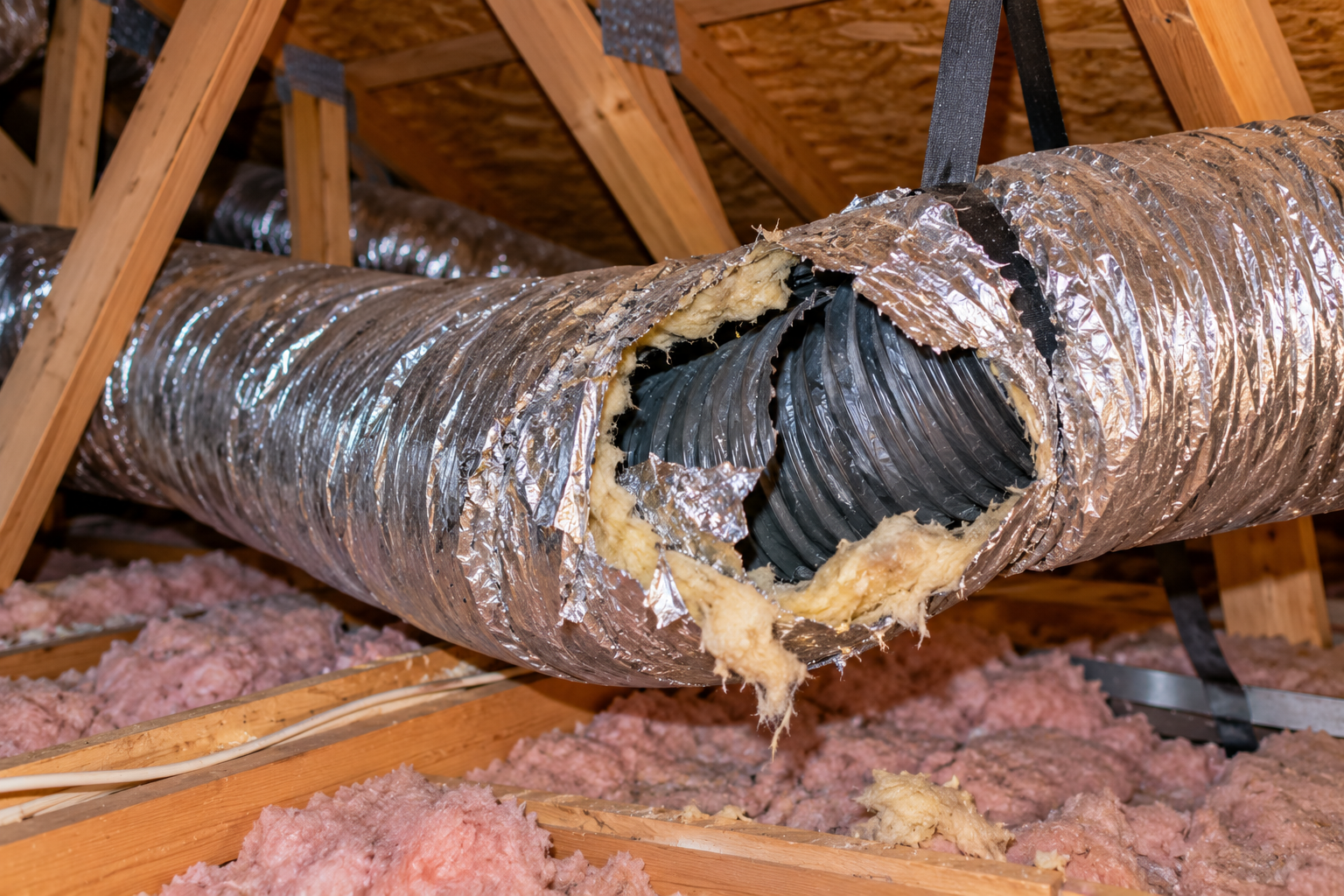
Air ducts play an important role in your home’s heating and cooling system. They carry conditioned air from your HVAC equipment to different rooms and return air to the system so it can be heated or cooled again.
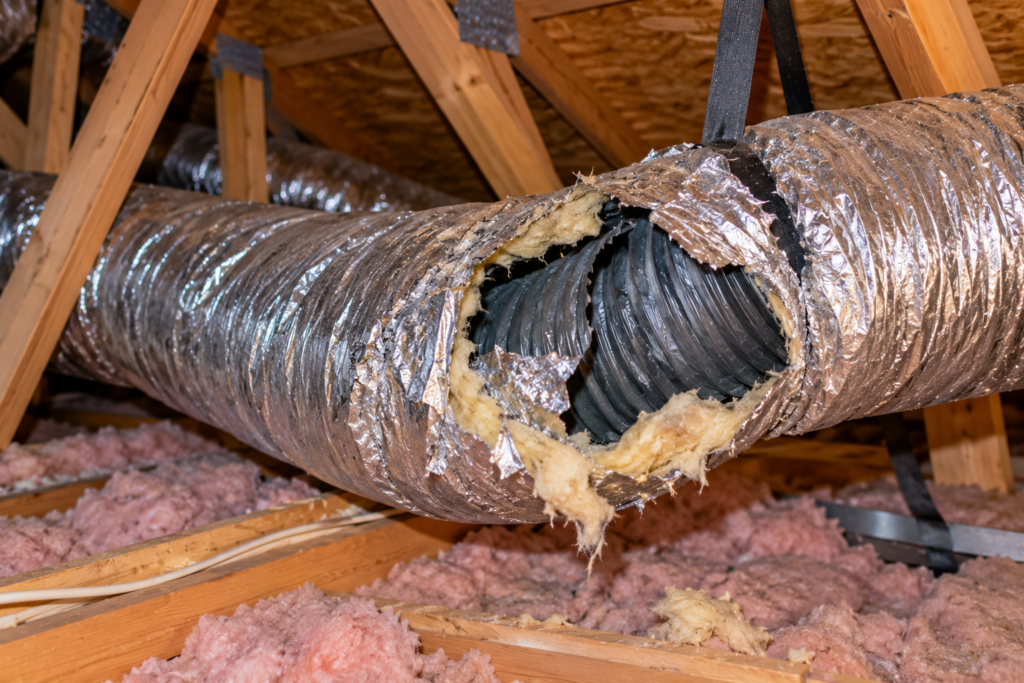
When ductwork becomes damaged, disconnected, crushed, or poorly sealed, the HVAC system may struggle to distribute air properly. Some rooms may feel uncomfortable, airflow may become weaker, and conditioned air may escape into attics, crawl spaces, or other unconditioned areas.
Understanding the common causes of damaged air ducts can help homeowners recognize early warning signs and decide when professional inspection or repair is necessary.
Duct damage does not always happen suddenly. It can develop gradually because of aging materials, poor installation, moisture, pests, physical pressure, or renovation work. Identifying the underlying cause is important because repairing the visible damage without addressing the source may allow the problem to return.
1. Poor Installation and Improper Duct Support
One of the common causes of duct damage is incorrect installation.
Ductwork must be properly connected, supported, and routed to allow air to move through the system without unnecessary restrictions. If ducts are installed with sharp bends, excessive compression, or inadequate support, they may become damaged or lose their intended shape.
This is particularly important for flexible ductwork, which is commonly used in residential HVAC systems.
How poor installation damages ducts
Installation problems may include:
- Flexible ducts that are stretched too tightly.
- Duct sections with sharp bends or kinks.
- Inadequate support straps or suspension systems.
- Loose connections between duct sections.
- Ducts resting on sharp surfaces.
- Incorrectly sized ductwork.
When flexible ducts are not properly supported, they can sag, become compressed, or develop restrictions that affect airflow.
The U.S. Department of Energy provides guidance on supporting flexible HVAC ducts, including the importance of preventing excessive sagging and compression.
How to prevent installation damage
Homeowners should have new ductwork installed by qualified HVAC professionals who understand the requirements of the duct material and system design.
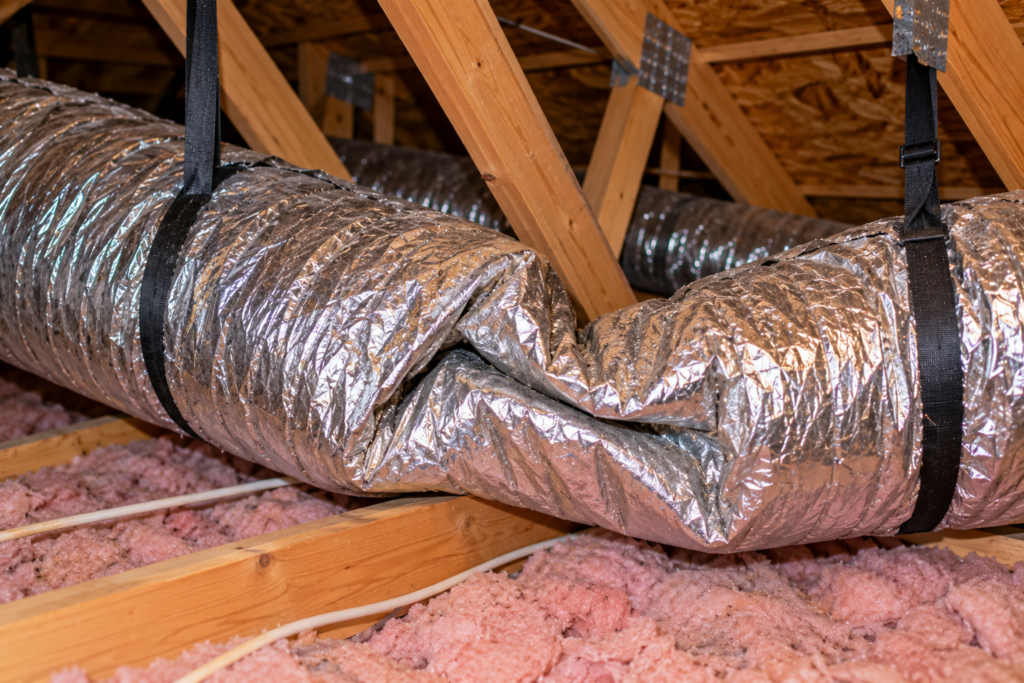
If you are renovating your home or replacing an HVAC system, ask the contractor how the ducts will be supported, connected, and inspected after installation.
2. Physical Damage During Home Renovations
Construction and renovation work can accidentally damage existing ductwork.
Contractors working in attics, basements, crawl spaces, or ceiling cavities may step on ducts, move them, place materials against them, or accidentally cut through them.
Flexible ducts are particularly vulnerable to crushing and tearing when someone places weight on them.
Common renovation-related damage
Examples include:
- Crushed flexible ducts in attics.
- Torn insulation around duct sections.
- Accidental holes created during drilling or cutting.
- Disconnected joints after nearby construction work.
- Ducts pushed out of position during ceiling repairs.
- Damage caused by storing heavy materials against ductwork.
A damaged duct may not always be visible from inside the living area. Some duct sections are concealed behind drywall, above ceilings, or beneath floors.
If airflow changes after a renovation, consider having the affected ductwork inspected.
How to prevent it
Before starting construction or renovation work, identify where the HVAC ducts are located.
Inform contractors about concealed duct routes and ask them to avoid placing equipment, tools, or building materials on ductwork.
After major renovation work, have the HVAC system checked if you notice unusual airflow, new noises, or temperature differences between rooms.
3. Aging Duct Materials and Natural Wear
Like other parts of a home, ductwork can deteriorate over time.
The rate of deterioration depends on the material, installation quality, operating conditions, and environment surrounding the ducts.
Flexible ducts contain several layers and may develop damaged outer jackets, compressed sections, or tears. Older metal ducts can develop loose joints, damaged connections, or corrosion under certain conditions.
Insulation surrounding ductwork can also become loose, damaged, or ineffective.
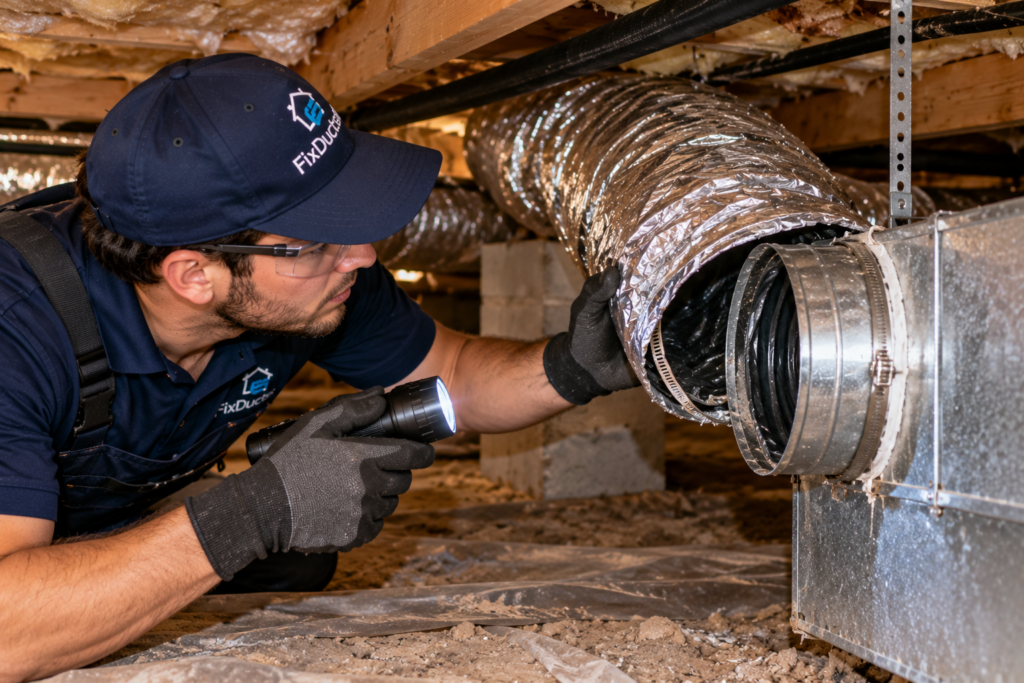
Signs of aging ductwork
Homeowners may notice:
- Cracked or deteriorated insulation.
- Loose connections between duct sections.
- Visible gaps around joints.
- Torn flexible duct material.
- Rust or corrosion on metal duct surfaces.
- Repeated airflow problems.
Age alone does not mean that ductwork must be replaced. A professional inspection can help determine whether the system needs minor repairs, sealing, insulation improvements, or replacement of specific sections.
The U.S. Department of Energy explains the importance of sealing and insulating HVAC ducts, particularly when ductwork is located in unconditioned areas such as attics and crawl spaces.
4. Moisture, Condensation, and Water Damage
Moisture can contribute to ductwork deterioration, particularly when ducts are located in humid or poorly protected spaces.
Condensation may form when warm, humid air comes into contact with cold duct surfaces. If moisture accumulates repeatedly, it can affect insulation and surrounding building materials.
Water may also reach ductwork through roof leaks, plumbing leaks, flooding, or other sources of water intrusion.
How moisture damages ducts
Depending on the duct material and conditions, excessive moisture may contribute to:
- Corrosion on metal duct surfaces.
- Deterioration of insulation.
- Damage to duct connections.
- Persistent dampness around ductwork.
- Mold growth on suitable damp materials.
- Damage to nearby ceilings or structural components.
Moisture problems should be investigated rather than covered up. Cleaning or sealing a duct without correcting the source of water may not solve the underlying issue.
What homeowners should check
Inspect accessible ductwork for water stains, damp insulation, rust, and visible signs of condensation.
If water is coming from a roof, plumbing system, or HVAC condensate drain, the source should be repaired before the affected materials are restored or replaced.
For additional guidance, the Department of Energy explains how duct insulation can help reduce heat transfer and condensation.
5. Rodents and Other Pest Activity
Rodents and other pests can damage HVAC ductwork while moving through attics, crawl spaces, basements, and other concealed areas.
Mice and rats may chew through flexible duct materials, insulation, and nearby building components. Insects or other pests may also enter damaged duct sections or surrounding spaces.
A damaged duct can create openings that allow unwanted air, dust, and other material to enter the HVAC system.
Warning signs of pest-related duct damage
Look for:
- Small holes or tears in flexible ducts.
- Chewed insulation or duct coverings.
- Droppings near accessible ductwork.
- Scratching or movement sounds in concealed spaces.
- Unusual odors coming from vents.
- Visible nesting material near ducts.
If you suspect pest activity, do not simply cover the damaged section.
The pest problem should be addressed, and affected ductwork should be inspected to determine whether cleaning, sealing, or replacement is necessary.
6. Poor Sealing and Loose Duct Connections
Duct connections can become loose because of poor installation, vibration, physical movement, or deterioration of the sealing materials.
When joints are not properly sealed, conditioned air may escape before reaching the intended rooms.
Return-side leaks can also allow air from attics, crawl spaces, or other unconditioned areas to enter the HVAC system.
Why loose connections matter
Leaking duct connections may contribute to:
- Reduced air delivery to certain rooms.
- Uneven heating and cooling.
- Dust entering through return-side leaks.
- Longer HVAC operating times.
- Increased heating and cooling costs.
A visible gap at a duct joint should be inspected to determine whether the connection is loose, damaged, or simply missing suitable sealing material.
The Department of Energy discusses common duct problems, including failed duct tape, damaged connections, and disconnected sections, in its air-sealing guide for homeowners.
How damaged connections are repaired
Depending on the condition of the ductwork, a qualified technician may reconnect loose sections, secure the joints, and seal them using suitable materials.
For many duct systems, approved duct mastic or appropriately rated HVAC foil tape is used. Ordinary cloth-backed household duct tape should not be treated as a permanent solution for duct sealing.
The correct material depends on the duct type and manufacturer requirements.
7. Excessive Pressure, Compression, and Restricted Airflow
Ductwork needs an appropriate shape and internal pathway to distribute air effectively.
When ducts become crushed, sharply bent, or compressed, the available space for airflow can be reduced.
This problem is especially common in flexible ducts that are poorly supported or have been moved during maintenance or renovation work.
Common causes of compression
- Heavy objects placed on ducts.
- Incorrectly installed support straps.
- Ducts squeezed between structural components.
- Sharp bends around framing.
- Flexible ducts pushed into tight spaces.
- Accidental pressure during attic work.
A compressed duct may cause weak airflow at certain vents or create unusual noise as air moves through a restricted section.
The Department of Energy’s duct evaluation guide identifies crushed, blocked, and disconnected ducts as possible causes when airflow cannot be detected at a register.
Do not attempt to force a compressed duct back into position if it is difficult to access or appears damaged. A technician can assess whether it can be repositioned or needs replacement.
8. Poor Insulation and Exposure to Harsh Conditions
Ductwork located in unconditioned spaces is exposed to temperatures and environmental conditions that may differ significantly from those inside the home.
Attics, garages, and crawl spaces can become very hot or cold depending on the season and local climate.
Insulation helps reduce heat transfer between the air inside the duct and the surrounding space. When insulation becomes damaged, detached, or inadequate, the HVAC system may lose some of its heating or cooling performance before air reaches the rooms.
Common insulation problems
- Torn or missing insulation.
- Damaged vapor barriers.
- Wet insulation caused by leaks or condensation.
- Insulation pulled away from duct surfaces.
- Deteriorated exterior duct coverings.
Damaged insulation should be assessed separately from damage to the duct itself. Sometimes the duct remains intact and only the insulation needs attention.
For more information, see the Department of Energy’s guidance on HVAC duct insulation.
9. Lack of Regular HVAC Inspections
Ductwork is often hidden behind ceilings, walls, and floors, so homeowners may not notice damage until it begins affecting system performance.
Without periodic inspection, small problems such as loose connections, damaged insulation, or minor tears may remain unnoticed.
Regular HVAC maintenance does not mean that ducts must be cleaned or replaced every year. Instead, the system should be inspected when there are signs of a problem or as part of appropriate maintenance.
What an inspection may include
A qualified HVAC technician may:
- Examine accessible duct sections.
- Check visible joints and connections.
- Look for crushed or disconnected ducts.
- Inspect damaged insulation.
- Evaluate airflow at supply registers.
- Check for signs of moisture or pest activity.
- Recommend repairs where necessary.
If the ductwork is difficult to access, the technician may explain whether additional access or diagnostic testing is needed.
Warning Signs That Your Air Ducts May Be Damaged
Some symptoms can indicate duct damage, although they may also be caused by other HVAC problems.
Pay attention to the following warning signs:
Weak airflow from certain vents: A disconnected, crushed, blocked, or leaking duct may affect air delivery to a room.
Uneven room temperatures: Damaged or poorly sealed ductwork can contribute to differences in heating and cooling between rooms.
Unusual noises: Whistling, rattling, or vibration may indicate loose duct sections, restricted airflow, or inadequate support.
Higher heating and cooling costs: Duct leakage and other HVAC problems may increase system operating costs.
Dust near vents: Dust accumulation can have several causes. If accompanied by visible duct damage or other warning signs, an inspection may be appropriate.
Visible damage in the attic or basement: Tears, loose connections, crushed sections, or deteriorated insulation should be evaluated.
These symptoms do not prove that the ducts are damaged. A proper diagnosis is necessary before deciding which repair is needed.
How to Prevent Air Duct Damage
Preventive care can help protect ductwork and reduce the likelihood of avoidable repairs.
Homeowners can take several practical steps:
- Avoid stepping on flexible ducts when accessing the attic.
- Keep heavy storage items away from ductwork.
- Make sure accessible ducts are properly supported.
- Address roof and plumbing leaks promptly.
- Check accessible insulation for tears or moisture.
- Keep pests out of attics and crawl spaces.
- Inform contractors about duct locations before renovation work.
- Arrange professional inspections when airflow or temperature problems appear.
Do not attempt repairs on inaccessible ductwork, electrical components, or HVAC equipment without the appropriate training.
If you find old or unusual insulation that may contain asbestos, avoid disturbing it and consult a qualified professional before any work begins.
Can Damaged Air Ducts Be Repaired or Do They Need Replacement?
Not every damaged duct needs to be replaced.
The appropriate solution depends on the material, location, extent of damage, accessibility, and overall condition of the duct system.
When repair may be enough
Repair may be suitable when the damage is limited to:
- A small tear in an otherwise sound flexible duct.
- A loose connection between duct sections.
- A minor gap at a joint.
- A localized section of damaged insulation.
- A duct that has become slightly displaced or compressed.
When replacement may be necessary
Replacement may be more appropriate when:
- A duct section has extensive tearing or deterioration.
- Flexible ductwork is severely crushed.
- Metal duct sections have significant corrosion.
- Repeated repairs have failed.
- Insulation or internal duct material is extensively damaged.
- The existing duct design creates persistent performance problems.
A technician should explain why replacement is recommended and whether a smaller repair is a reasonable alternative.
For a closer look at the decision, homeowners can refer to our related guide, Air Duct Repair or Replacement: How to Decide, if that article is already published on FixDucts.
Final Thoughts
Damaged air ducts can result from several factors, including poor installation, physical impact, aging materials, moisture, pests, loose connections, and inadequate support.
Some problems develop gradually and may only become noticeable when airflow changes, rooms become uncomfortable, or visible damage appears in an attic or basement.
The best approach is to identify the cause before choosing a repair. Minor problems may only require reconnecting or sealing a section, while severely damaged ductwork may need replacement.
Regular inspections, careful home renovations, moisture control, and proper duct support can help protect your HVAC system and keep conditioned air moving through your home.
Sources