

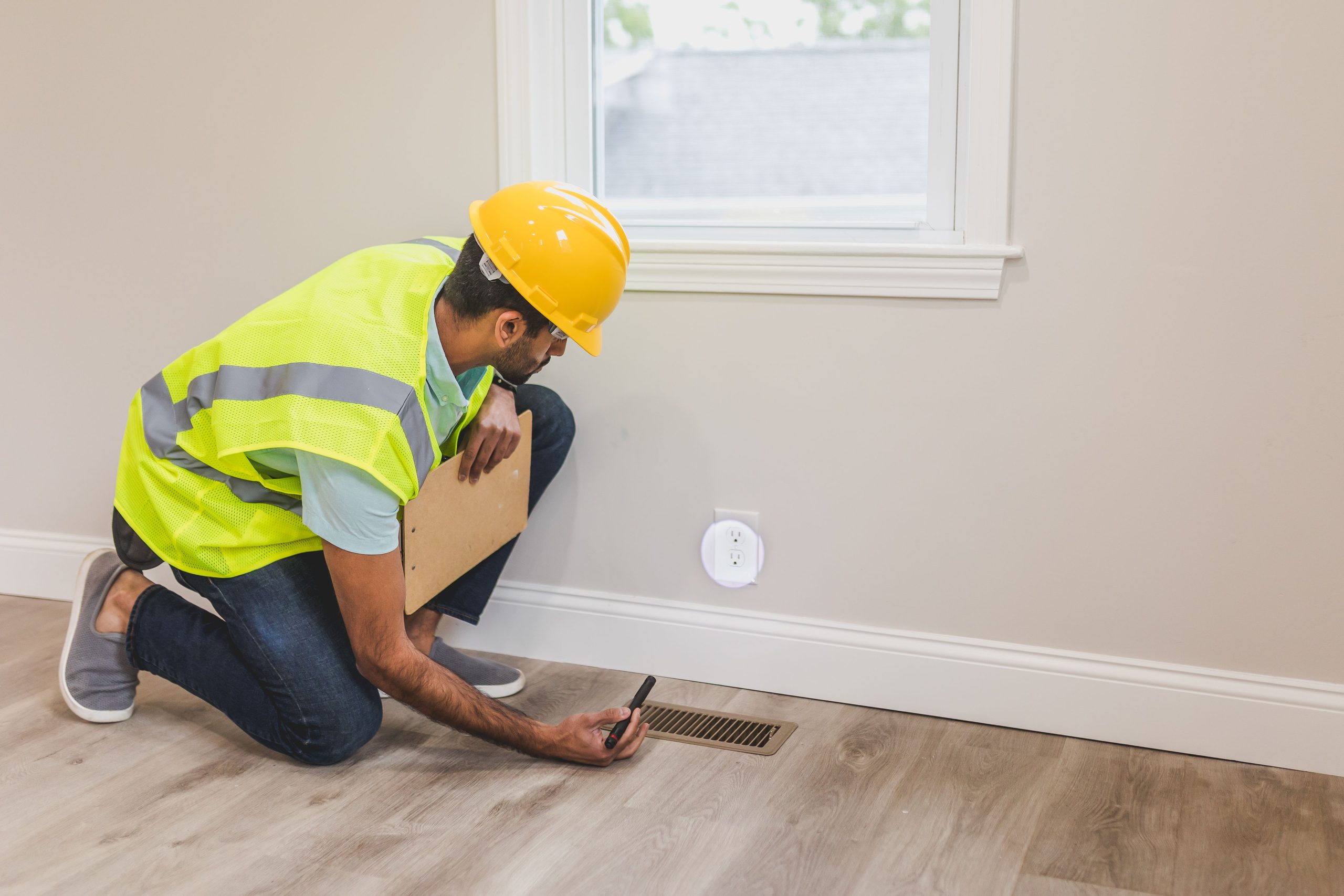
Air ducts play an important role in keeping a home comfortable by distributing heated or cooled air throughout the house. When ductwork develops leaks, gaps, or loose connections, conditioned air can escape before reaching its intended rooms. This may contribute to uneven temperatures, reduced comfort, and unnecessary energy use.
The challenge is that many air ducts are hidden behind walls, above ceilings, or inside attics and crawl spaces. Homeowners may notice the effects of a duct problem long before they can see the damage itself.
In this guide, you will learn the common signs of leaky air ducts, what can cause them, how to check accessible ductwork safely, and when to contact an HVAC professional.

What Are Leaky Air Ducts?
Leaky air ducts are sections of a heating, ventilation, and air conditioning (HVAC) system that allow air to escape through gaps, holes, damaged seams, or disconnected joints.
Supply ducts carry conditioned air from the HVAC equipment to rooms throughout the home. Return ducts carry air back to the system to be filtered and conditioned again. Leaks can affect either side of the system.
For example, a leak in a supply duct located in an attic may allow heated or cooled air to escape into that space rather than reach a bedroom. A leak in a return duct may draw unwanted air from an attic, basement, or crawl space into the system, depending on the duct’s location and pressure conditions.
According to ENERGY STAR, typical homes can lose approximately 20% to 30% of the air moving through their duct systems because of leaks, holes, and poorly connected ducts. Actual losses vary by home and duct system.
7 Common Signs of Leaky Air Ducts
1. Uneven Temperatures Between Rooms
One of the most noticeable warning signs is a room that consistently feels warmer or colder than the rest of the house.
For example, the living room may cool comfortably while an upstairs bedroom remains warm during summer. In winter, one room may feel cold even when the thermostat is set to a comfortable temperature.
Leaking ductwork can contribute to this problem by reducing the amount of conditioned air reaching certain rooms. However, other issues, including blocked vents, inadequate insulation, closed dampers, or HVAC equipment problems, can cause similar symptoms.
If the temperature difference continues despite normal thermostat settings, consider having the system inspected.

2. Higher Heating and Cooling Bills
An unexplained increase in energy bills may indicate that your heating or cooling system is working harder than necessary.
When conditioned air escapes through leaking ducts, the system may need to run longer to maintain the desired indoor temperature. This can increase energy consumption, especially when significant leaks occur in unconditioned spaces such as attics or crawl spaces.
However, higher bills do not automatically mean your ducts are leaking. Changes in outdoor temperatures, electricity or gas rates, thermostat settings, equipment condition, and household usage can also affect energy costs.
Compare bills from similar seasons and investigate other possible causes before deciding that duct repair is necessary.
3. Weak Airflow From Certain Vents
If one or more supply vents deliver noticeably less air than expected, the duct system may have a problem.
Possible causes include disconnected duct sections, crushed flexible ducts, blocked passages, closed dampers, dirty filters, or a problem with the HVAC blower.
Start by checking that the affected vent is open and that your air filter is installed correctly and replaced according to the manufacturer’s recommendations.
If airflow remains weak, especially when several rooms are affected, an HVAC technician can inspect the ductwork and equipment to determine the cause.
4. Excessive Dust or Unusual Odors
Dust accumulating quickly on furniture or around supply registers can sometimes be associated with duct leakage. This is especially relevant when return ducts draw air from dusty attics, basements, or crawl spaces.
Unusual odors may also indicate a problem with the duct system or another part of the home.
Nevertheless, dust and odors have many possible sources, including outdoor air, pets, cooking, household fabrics, inadequate filtration, moisture, and normal daily activities. Their presence alone does not prove that ducts are leaking.
If you notice persistent musty odors, visible moisture, or suspected mold growth, investigate the underlying source rather than simply covering the odor or arranging duct cleaning.
5. Visible Gaps or Disconnected Duct Sections
If your home has accessible ductwork in an unfinished basement, attic, or utility area, look for obvious signs of damage.
Warning signs include:
- Loose connections between duct sections.
- Visible holes, tears, or separated seams.
- Flexible ducts that are crushed, kinked, or disconnected.
- Missing insulation or damaged outer duct coverings.
- Old patches that appear loose or deteriorated.
These conditions can allow air to escape and reduce the performance of the duct system.
Do not enter an unsafe attic or crawl space to inspect hidden ductwork. If access is difficult or the damage is extensive, arrange a professional inspection.
6. Rooms Feel Stuffy or Never Reach the Set Temperature
A room that repeatedly feels uncomfortable may have insufficient conditioned airflow or another HVAC-related issue.
Leaking ducts are one possible explanation, particularly when the ductwork passes through an unconditioned area. Poor duct design, inadequate insulation, air balance problems, and equipment sizing can also contribute.
Pay attention to whether the problem occurs during both heating and cooling seasons or only under particular weather conditions. This information can help an HVAC professional narrow down the possible causes.
7. Unusual Noises Near Ductwork
Whistling, rattling, or vibrating sounds near accessible ducts may indicate loose connections, poorly secured duct sections, air restrictions, or excessive air pressure.
Not every HVAC noise signals a leak. Some sounds originate from the blower, air filter, vents, or normal expansion and contraction of metal ductwork.
If a new or persistent noise occurs alongside weak airflow or uneven temperatures, have the system checked rather than assuming that sealing a duct will solve the problem.
What Causes Air Duct Leaks?
Several conditions can cause ductwork to leak over time.
Loose or poorly sealed connections: Joints may separate or lose their seal because of installation problems, vibration, or aging materials.
Aging duct materials: Older ducts can develop deteriorated seals, tears, corrosion, or other damage, depending on their construction and environment.
Physical damage: Renovation work, accidental impacts, pests, or storage activities near accessible ductwork may damage duct sections.
Improper installation: Poorly supported flexible ducts, incorrect connections, and inadequate sealing can contribute to air leakage.
Damaged insulation: Missing or deteriorated insulation can cause heat transfer and condensation problems. Although insulation damage does not necessarily mean a duct is leaking, it should be evaluated when assessing the overall system.
Understanding the cause matters because sealing a small joint is different from repairing a torn duct or replacing a severely damaged section.
How to Check for Leaky Air Ducts
Homeowners can perform a basic visual inspection of ductwork that is safely accessible. Turn off the HVAC system before touching or examining duct components.
Step 1: Inspect Accessible Duct Sections
Look for loose joints, visible holes, disconnected sections, crushed flexible ducts, or damaged insulation. Pay particular attention to connections and areas that show signs of previous repairs.
Step 2: Check the Vents
Make sure supply vents are open and unobstructed. Compare airflow between rooms under similar operating conditions, keeping in mind that airflow naturally varies between different parts of a system.
Step 3: Review Your Comfort and Energy Patterns
Note which rooms are uncomfortable, when the problem occurs, and whether energy bills have changed. These observations can help a technician investigate the system more efficiently.
Step 4: Arrange Professional Testing if Needed
A visual inspection cannot reliably identify every hidden leak or measure total duct leakage. HVAC professionals can inspect difficult-to-reach sections and use appropriate diagnostic equipment to evaluate duct performance.
Avoid using open flames or smoke-producing materials near HVAC equipment, and do not dismantle ductwork or enter unsafe spaces to search for leaks.
How to Address Leaky Air Ducts
The appropriate repair depends on the location, size, and cause of the leak.
Seal Small Gaps and Leaking Joints
For suitable accessible joints, ENERGY STAR recommends using duct mastic or approved metal-backed duct sealing tape. Ordinary cloth-backed duct tape is generally not a durable solution for duct sealing.
The sealing material must be compatible with the duct type and the application. Follow product instructions and local requirements.
Repair or Replace Damaged Sections
Torn, crushed, corroded, or badly disconnected duct sections may require mechanical repair or replacement. Simply covering extensive damage may not restore proper airflow or provide a lasting repair.
Restore Damaged Insulation
Ducts running through attics, garages, crawl spaces, and other unconditioned areas may need suitable insulation as well as air sealing. The correct insulation depends on the duct location and applicable building requirements.
Contact an HVAC Professional
Seek professional assistance when ducts are hidden, damage is extensive, airflow problems persist, or you are unsure which repair is appropriate.
If you suspect combustion gases are entering living spaces or a carbon monoxide alarm activates, leave the affected area and follow emergency guidance. Do not treat duct sealing as a substitute for inspecting combustion appliances and their venting systems.

Can Sealing Air Ducts Improve Home Comfort?
Properly sealing and insulating ductwork can reduce the loss of conditioned air and help improve temperature consistency when duct leakage is contributing to the problem.
It may also reduce wasted heating and cooling energy. The actual results depend on the amount of leakage, duct location, insulation, HVAC equipment, and overall home condition.
However, sealing ducts is not a guaranteed solution for every comfort or energy problem. A qualified technician should investigate other possible causes when symptoms remain after repairs.
When Should You Call an HVAC Professional?
Consider arranging an inspection if you notice persistent weak airflow, large temperature differences between rooms, damaged or disconnected duct sections, unexplained changes in energy use, or repeated problems despite basic maintenance.
A professional can determine whether the issue involves leaking ducts, insufficient insulation, airflow restrictions, equipment performance, or another part of the system.
Before approving the work, ask which sections need repair, what materials will be used, whether insulation is included, and whether the contractor can explain how the completed work will be checked.
Frequently Asked Questions
Can leaky air ducts make a room uncomfortable?
Yes. When leaks reduce the amount of conditioned air reaching a room, temperatures may become harder to maintain. Other HVAC and insulation problems can produce similar symptoms.
Are leaky air ducts expensive to repair?
Costs depend on the number of leaks, accessibility, duct materials, and whether repairs require sealing, replacement, insulation, or additional diagnostic work. Request an itemized estimate for your specific system.
Can I seal air ducts myself?
Some small leaks in safely accessible ductwork may be suitable for a knowledgeable homeowner using compatible sealing materials. Hidden, extensive, or difficult-to-access damage is better evaluated by a qualified professional.
Does duct sealing reduce energy bills?
It can reduce wasted heating and cooling energy when meaningful duct leakage is present. Savings vary with the severity and location of the leaks, the system’s condition, and household usage.
Should I clean my air ducts if they are leaking?
Not necessarily. Duct cleaning and duct repair address different problems. If the primary issue is a loose joint, hole, or disconnected section, the priority is to assess and repair the leakage. Cleaning may be appropriate for separate reasons, but it does not replace sealing damaged ductwork.
Final Thoughts
Leaky air ducts can contribute to uneven room temperatures, weak airflow, and unnecessary heating and cooling energy use. Visible gaps, disconnected sections, and recurring comfort problems are useful reasons to investigate the duct system.
Start with a safe inspection of accessible components, document the symptoms, and seek professional testing when the cause is unclear. Addressing the actual problem—whether it is leakage, damaged insulation, restricted airflow, or equipment trouble—is the most reliable way to improve HVAC performance.
References
- ENERGY STAR — Duct Sealing
- ENERGY STAR — Benefits of Duct Sealing
- U.S. Department of Energy — Why Energy Efficiency Matters
These resources provide additional information about duct leakage, sealing, and home energy performance.