

Air duct cleaning is an important topic for homeowners who want to understand how their heating, ventilation, and air conditioning (HVAC) systems work and how to maintain them properly. Over time, dust and other particles can collect inside air ducts, while filters and other HVAC components may also need regular attention.
However, not every home needs professional air duct cleaning on a fixed schedule. The right approach depends on the condition of the ductwork, the presence of visible dust or debris, and any specific problems affecting the HVAC system.
In this guide, you will learn what air duct cleaning involves, which signs may indicate that cleaning is worth considering, what the process typically includes, and how to maintain your home’s ventilation system more effectively.

What Is Air Duct Cleaning?
Air duct cleaning is the process of removing accumulated dust, debris, and other contaminants from parts of a home’s heating and cooling ventilation system. Depending on the system’s condition, the work may involve supply and return ducts, registers, grilles, and other accessible components.
Professional cleaning services may use specialized vacuum equipment and tools designed to loosen and collect debris without spreading it throughout the home. The exact procedure varies according to the HVAC system, the condition of the ductwork, and the type of contamination present.
It is important to distinguish duct cleaning from routine HVAC maintenance. Replacing air filters, checking airflow, and arranging appropriate system inspections are separate tasks that may be necessary even when the ducts themselves do not require cleaning.

Signs Your Air Ducts May Need Cleaning
There is no single sign that proves an entire duct system needs cleaning. However, certain conditions may justify a closer inspection by a qualified professional.
Visible Dust or Debris Inside Ducts
If you can see substantial dust buildup or debris inside accessible ductwork, an inspection may help determine whether cleaning is appropriate. A small amount of dust around a vent does not automatically mean the entire system needs professional cleaning.
Evidence of Mold Growth
If you notice suspected mold growth inside ducts or on HVAC components, avoid disturbing the affected material. The source of moisture should be identified and corrected, and a qualified professional can assess the situation and recommend suitable next steps.
Pest Activity
Evidence of rodents or insects inside ductwork may indicate that the system needs inspection and that entry points or other underlying problems must be addressed.
Recent Renovation Work
Construction and renovation can generate dust and debris. If these materials entered the ventilation system, an inspection can help establish whether cleaning is necessary.
How Professional Air Duct Cleaning Works
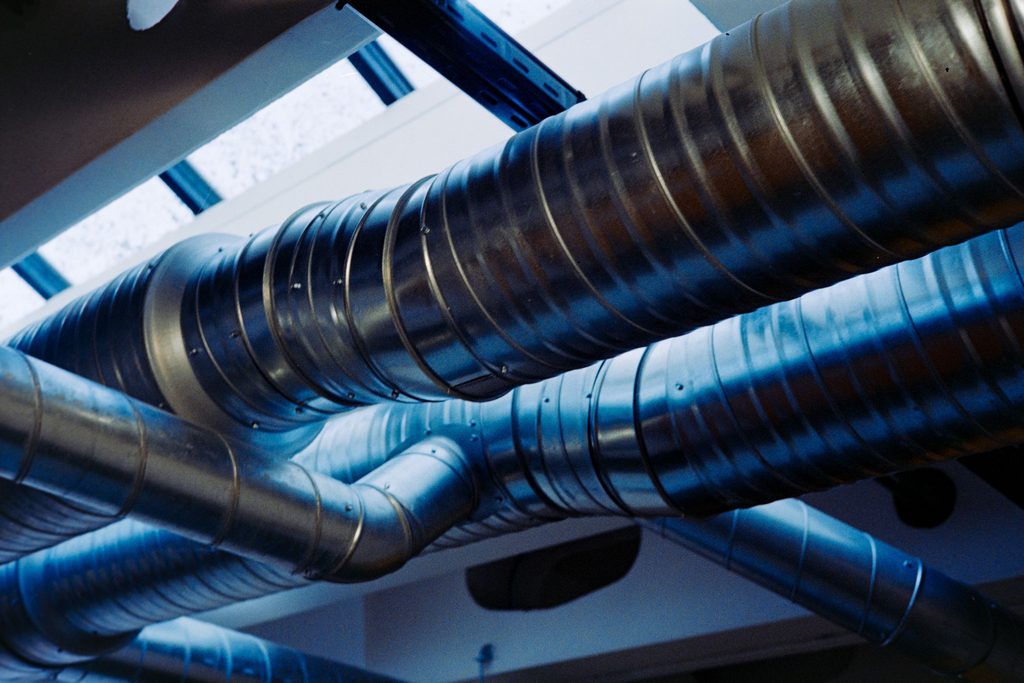
The air duct cleaning process depends on the layout and condition of the HVAC system. A professional service should begin by assessing the ductwork and identifying the areas that may require attention.
Inspecting the System
The technician examines accessible ducts, registers, grilles, and relevant HVAC components to identify visible debris, damage, moisture problems, or other concerns.
Preparing the Work Area
Before cleaning begins, the technician should take appropriate steps to protect the home and prevent loosened dust from spreading into occupied rooms.
Removing Dust and Debris
Professional equipment is used to loosen and collect accumulated material from the selected areas. The methods and tools used should be appropriate for the duct materials and the system’s design.
Checking the Results
After cleaning, the technician should review the work performed and explain any remaining concerns, such as damaged ductwork, leaks, or moisture issues that require separate attention.
Homeowners should ask what the service includes before booking. A clear description of the work helps prevent misunderstandings about which components will be cleaned.
Benefits and Limitations of Air Duct Cleaning
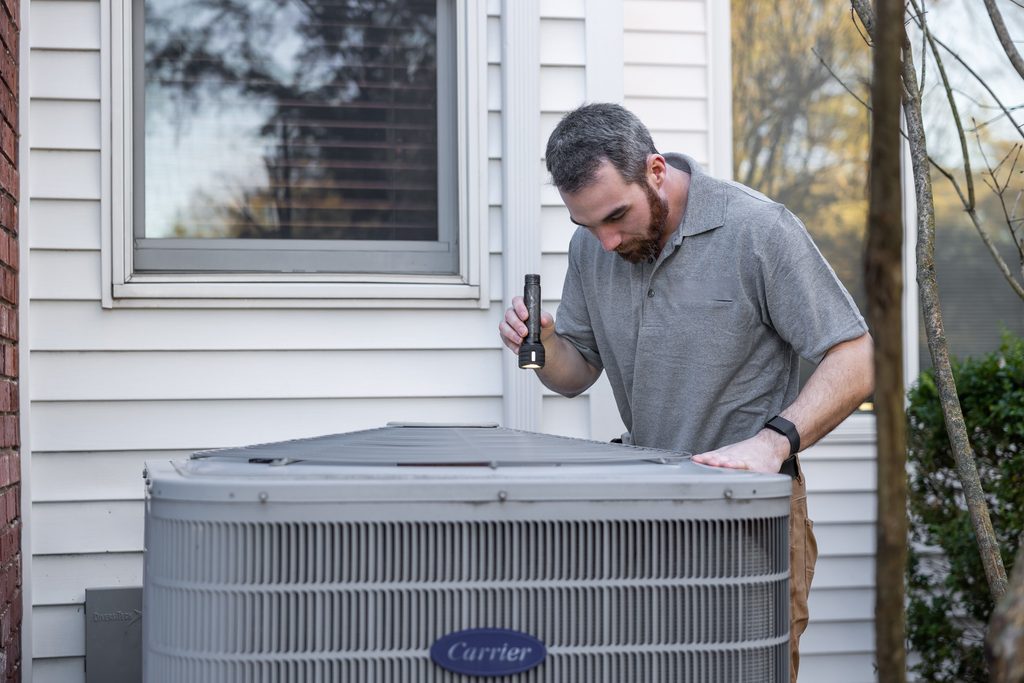
Professional air duct cleaning can be useful in certain situations, particularly when a system contains substantial accumulated debris or when contamination has been identified inside accessible ductwork. However, its benefits depend on the condition of the system and the reason cleaning is being considered.
When Cleaning May Be Beneficial
Cleaning may help remove accumulated dust and debris from the parts of the HVAC system included in the service. It may also be appropriate after certain renovation projects or when an inspection identifies contamination that should be removed.
Addressing specific problems, such as pest activity or debris inside the ducts, may also help restore the affected areas to a cleaner condition. However, these situations can require additional repairs or pest-control measures.
What Air Duct Cleaning Cannot Guarantee
Air duct cleaning should not be presented as a guaranteed solution for allergies, asthma, or other health conditions. It also does not automatically improve energy efficiency or solve every indoor air quality problem.
Indoor air quality can be affected by many factors, including ventilation, humidity, filtration, cleaning habits, and indoor sources of pollutants. If a home has persistent odors, excessive humidity, or airflow problems, the underlying cause should be investigated rather than assuming that duct cleaning alone will solve it.
The most practical approach is to inspect the system, identify a specific need, and choose maintenance or cleaning services based on the evidence.
How Often Should Air Ducts Be Cleaned?
There is no universal schedule that requires every home to have its air ducts cleaned at the same interval. The appropriate timing depends on the condition of the ductwork, the home’s environment, and whether there is a specific reason to clean the system.
For example, a home that has recently undergone major renovation work may need an inspection for construction dust or debris. A system with evidence of pest activity, substantial contamination, or suspected mold growth may also require professional assessment.
By contrast, routine dust accumulation around a vent does not necessarily mean that the entire duct system needs cleaning.
Homeowners should follow the recommendations of qualified HVAC professionals and applicable guidance from recognized public health or environmental agencies. They should also distinguish duct cleaning from regular tasks such as replacing air filters and maintaining heating and cooling equipment.
Rather than paying for cleaning at an arbitrary interval, inspect the system when there is a clear reason to do so and address any underlying problems that could affect its condition.
Air Duct Cleaning vs. HVAC Maintenance
Air duct cleaning and HVAC maintenance are related, but they serve different purposes.
Air duct cleaning focuses on removing accumulated dust and debris from the portions of the ventilation system included in the service. HVAC maintenance focuses on keeping heating and cooling equipment operating as intended.
Routine HVAC maintenance may include checking or replacing air filters, inspecting accessible components, checking drainage where applicable, examining electrical connections, and evaluating system operation. The exact tasks depend on the equipment and the manufacturer’s recommendations.
Air filters are especially important because they help capture airborne particles before they circulate through the system. A filter that is clogged, damaged, or incorrectly installed may restrict airflow or reduce filtration performance.
Homeowners should use the filter type and replacement schedule recommended for their particular system. A more restrictive filter is not automatically better if the HVAC equipment is not designed to accommodate it.
Keeping up with routine maintenance can help identify problems early. Duct cleaning should be considered separately when inspection findings or specific conditions indicate that it is appropriate.
How to Choose an Air Duct Cleaning Company
Choosing an air duct cleaning provider requires more than comparing prices. Homeowners should look for a company that explains its process clearly, identifies the work included in the service, and avoids making unrealistic promises.
Ask What the Service Includes
Before booking, ask which parts of the HVAC system will be cleaned. Request a clear explanation of the proposed work, including any additional services that may cost extra.
Look for Relevant Experience
Ask about the company’s experience with residential HVAC systems similar to yours. A qualified provider should be able to explain its methods and how it protects the ductwork during cleaning.
Be Careful With Unsupported Claims
Be cautious of companies that claim every home needs immediate duct cleaning or promise that cleaning will eliminate all allergens, prevent illness, or dramatically reduce energy bills. Such claims should not replace an assessment of the actual system.
Request a Written Estimate
A written estimate should describe the work, the expected cost, and any conditions that could change the price. Compare providers based on the scope of service and the quality of their explanations, not price alone.
Ask About the Inspection
A reliable provider should explain what it observed, why cleaning is recommended, and whether other issues need attention. If moisture, suspected mold, damaged ducts, or pest activity is present, ask how those problems will be addressed.
Taking time to evaluate providers can help homeowners make informed decisions and avoid paying for unnecessary services.
11. Frequently Asked Questions About Air Duct Cleaning
Does every home need air duct cleaning?
No. Not every home needs professional air duct cleaning on a fixed schedule. Cleaning is most appropriate when inspection identifies substantial debris, contamination, pest activity, or another specific reason to address the ductwork.
Can air duct cleaning improve indoor air quality?
It may help remove accumulated debris from the areas that are cleaned, but the effect on overall indoor air quality depends on the source of the problem. Ventilation, filtration, humidity control, and reducing indoor pollutant sources may also be important.
Does air duct cleaning reduce energy bills?
Not necessarily. Energy use depends on several factors, including equipment condition, airflow, insulation, maintenance, and thermostat settings. Duct cleaning alone should not be expected to produce a specific reduction in energy costs.
How can I tell if my air ducts are dirty?
Visible debris inside accessible ductwork, evidence of pest activity, or contamination identified during an inspection may justify further evaluation. Dust around a vent by itself does not prove that the entire duct system needs cleaning.
Should I replace my HVAC filter after duct cleaning?
Follow the technician’s instructions and the filter manufacturer’s recommendations. If the filter is dirty, damaged, or due for replacement, replacing it may be appropriate. Always use a filter compatible with your HVAC system.
Can I clean my air ducts myself?
Homeowners can safely perform basic maintenance tasks such as cleaning removable vent covers when appropriate and replacing accessible air filters according to the manufacturer’s instructions. Cleaning the full duct system generally requires specialized equipment and knowledge, especially when contamination, moisture, or damaged ductwork is involved.
Final Thoughts
Final Thoughts
Air duct cleaning can be useful when there is a clear reason to remove accumulated debris or address contamination inside a ventilation system. However, it is not a service that every home automatically needs, and it should not be treated as a substitute for routine HVAC maintenance.
Homeowners can make better decisions by inspecting accessible areas, maintaining appropriate air filters, following equipment recommendations, and investigating problems such as persistent odors, moisture, or pest activity.
If professional cleaning is being considered, choose a provider that explains the condition of the system, describes the proposed work, and avoids unsupported promises. When an underlying problem is present, addressing its cause is just as important as cleaning the affected area.
A practical maintenance plan should focus on the actual condition of the HVAC system and the needs of the home rather than relying on unnecessary services or a one-size-fits-all schedule.
References
The following trusted resources provide additional information about air duct cleaning, indoor air quality, and HVAC maintenance.
EPA — Should You Have the Air Ducts in Your Home Cleaned?